


-
 HOME
HOME
- >
- 타이틀 텍스트
- >
- 서브 타이틀 텍스트


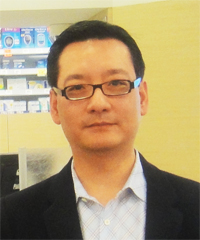 ▲ 임성락 약사
지난 여름 필자 칼럼 “미국임상약학현재와미래를듣는다” 인터뷰에 응해준 James Tisdale 교수의 Purdue-Wishard Hospital 임상약학부 Pharm D student- Infectious Disease (ID)로테이션을, 약업신문의 지면을 빌려 후학들과 병원 프리셉터약사들에게 간략하게 소개하고자 한다.
필자가 일전에 인터뷰했던 펴듀약대생중 레이첼(팜디본과 4년차)이 최근 ID 로테이션을 마치고 필자에게 소감을 적어보내왔다. 펴듀약대의 경우, 팜디 4년차 임상로테이션은 12개월안에 10개(4주/로테이션)를 소화하도록 짜여 있다. 이중 ID 로테이션은 학생들의 선호도가 높은 반면 수업/실습의 질과 강도가 만만치 않은 core rotation 중 하나이다.
레이첼이 파견된 Wishard/IU Hospital ID consultteam의 구성원을 살펴보면, 1 attending physician, 2 intern physicians, 1 clinical pharmacist(preceptor), 1 fellowship physician, 1 resident physician 과 2 senior med students로 짜여져 있다. 레이첼의 병원 도착시간은, 라운딩이 시작되기전 오전 7:30 이고 저녁 5-6시경에 병원문을 나서는데, 오전 라운딩시작전 자신에게 배정된 환자의 프로필을 읽어보고 지난밤 Lab results를 확인하기 위해서는 7시전에 출근하는 날도 적지 않았다.
레이첼은 ID 로테이션 기간중 3개의 프리젠테이션 (renal TB, MAC in HIV patients, pyomyositis) 을 준비하였는데, power point presentation 과 handouts을 직접 만들어 프리셉터와 다른 팜디학생들과의 group discussion 형식으로 infection & treating plan 에 대해 토론하였다.
각 로테이션 마지막날, 프리셉터는 Pass/Fail 로 지도학생을 평가하는데, 프리셉터에 따라 로테이션 시작 첫 날 pre-test 형식으로 쪽지시험을 봐서 학생들의 이해수준을 가늠하고 로테이션 마지막날 다시 한번 같은 문제를 가지고 post-test를 실시하여 이해도를 확인하기도 하지만 펴듀약대의 경우 필기시험 여부는 각 로테이션을 담당하는 프리셉터에게 재량권이 주어져 있다.
다음은 레이첼이 필자에게 보내온 ID 로테이션을 마친 소감을 보내온 것이다. 필자의 사견을 달지않기 위해 영어원문을 수정 없이 올려 놓았다.
Infectious Disease Rotation

On the first day we would be given one patient during rounds. On the next day, we would be given another patient, and the number would increase until all patients on the infectious disease service were covered between us. We were informedof the format that she wanted us to use to type up and present our patients to her until we were comfortable finding our own system to remember everything about the patient. In addition, we were to only use primary literature (clinical trials) or guidelines for anything we did not know.She wanted us to learn how to use primary literature as resources instead of relying on outdated class notes or text books.Furthermore,we were told that each week we were to prepare a handout about an infection that we would present to her on Mondays.
On that first day we went to afternoon rounds and met the rest of the infectious disease team. It consisted of an attending, a fellow, a resident, interns, and senior medical students. I was assigned one of the new patients during rounds. After rounds, I looked up my patient’s electronic chart and gathered all the information about my patient and their infection.
The next morning we met with our preceptor and presented our new patients. She asked us a ton of questions about lab work, monitoring parameters, medical terms, and what we were going to recommend once we found out what type of infection the patient had. At this time, we learned more about what we should be looking at in our patients. It was important to know what labs were pending, what exams have been done, imaging results, current medications, symptoms of the infection, what we thought the infection might be, and empiric therapy plus doses. Furthermore, we were to write our impression and plan based on the most likely infection and pathogens. For every possibility, we would need the number one recommended treatment, doses, and duration based on guidelines or primary literature. Lastly, we were to list any monitoring parameters we would need to watch for once one of the therapies are initiated.
After the first week, I developed a routine for the daily activities. I would arrive at the hospital about an hour before morning rounds to look up my current patients. I looked for any lab results, medication changes, or changes overnight. In addition, I would calculate new CrCls for all the patients on our service. I would then attend rounds with my updated monitoring forms for all of my patients. On rounds, I would be asked multiple drug and dosing recommendations. When recommending a dose, I would have to keep in mind kidney function, hepatic function, allergies, and appropriate doseage form for each individual patient. After morning rounds, I would eat lunch and update any changes on my current patients. I would then start preparing monitoring forms and presentations on any new consults we were going to do during afternoon rounds. If we had to do presentations, meet with our preceptor to go over patients, or take extra time to look up primary literature for any issues that came up during morning rounds, I would not have time to look up new afternoon consults. On these days, I would quickly gather those patients’ weight and calculate their CrCls in case I was asked to dose a medication. During afternoon rounds we would do the same things we did in the morning, except they would be all new patients. After rounds, I would begin researching my new patients and typing up their presentation. If there were multiple new patients, I would have to finish up this process at home. Timing of morning and afternoon rounds was always changing, because the physicians would have conferences or clinic hours they would have to do. Our schedule had to be very flexible and try to meet with our preceptor at random times to do presentations due to the changing schedule.
In addition to the daily routine, on Wednesday mornings our preceptor had OPAT (outpatient parenteral antibiotic therapy) clinic. We would walk to the clinic on those mornings at eight in the morning and see the patients that were scheduled on that day. The patients at our clinic needed to be seen because they were sent home on IV therapy and we had to make sure that everything was okay with their antibiotic regimen and PICC lines. Our infectious disease team had to see every patient that were being considered for OPAT, because we had to make sure that the patient could pay for the antibiotics, did not have a previous drug history, and could take care of themselves with dosing and line maintenance.
I learned more than I ever thought I could have on this rotation but had to work extremely hard with long hours. Some of the infections I saw and learned about were: pyomyositis, diabetic foot infection, Tb, HIV, endocarditis, Renal Tb, Syphilis, epiglotitis, pancreatitis, and brain abscesses. The hard work definitely paid off, because I know a lot more about antibiotic therapy and monitoring patients in the hospital setting.
| 인기기사 | 더보기 + |
-
1 “조건부 허가 아니다” 큐로셀 CAR-T ‘림카토주’ 3상 없이 정식 허가된 이유 -
2 100만 바이오 빅데이터 문 열린다… '의료 AI·신약' 대도약 시대 개막 -
3 유통업계, 대웅 압박 국회로…5월 국회 릴레이 1인 시위 돌입 -
4 “2029년, 매출 10억 달러” SK바이오팜, 엑스코프리 성공과 미래 전략 제시 -
5 FDA, 암젠 희귀질환 치료제 허가 취소 압박…‘데이터 조작’ 직접 언급 -
6 중국 제약사 세계 최초 재조합 보툴리눔 독소 개발 -
7 임상 규제 허문다… 복지부, 시범사업 넘어 '분산형 임상' 전격 제도화 -
8 화이자, ‘빈다맥스’ 제네릭 2031년까지 봉쇄…ATTR-CM 시장 주도권 경쟁 격화 -
9 EU 포장규제 8월 시행…K-뷰티도 준비해야 -
10 제약바이오,차세대 스타트업 투자·육성 본격화..'전주기 동반 성장' 확산
| 인터뷰 | 더보기 + |
| PEOPLE | 더보기 + |
| 컬쳐/클래시그널 | 더보기 + |

|
서울시 서초구 서초대로 115 정다운빌딩 4층 TEL : 02-3270-0114 FAX : 02-3270-0189 E-mail : webmaster@yakup.com |
발행일 : 1954. 03. 29 등록일 : 2016. 05. 02 대표이사 : 함태원 발행 · 편집인 : 함태원 등록번호 : 서울,아04071 |
사업자등록번호 : 106-81-10940 통신사업자신고번호 : 제2022-서울서초-2586호 청소년보호책임자 : 이종운
Copyright © Yakup.com All rights reserved.
|

- 이종운 기자 news@yakup.co.kr
- 입력 2013-07-10 18:06 수정 최종수정 2013-07-16 09:20
▲ 임성락 약사지난 여름 필자 칼럼 “미국임상약학현재와미래를듣는다” 인터뷰에 응해준 James Tisdale 교수의 Purdue-Wishard Hospital 임상약학부 Pharm D student- Infectious Disease (ID)로테이션을, 약업신문의 지면을 빌려 후학들과 병원 프리셉터약사들에게 간략하게 소개하고자 한다.
필자가 일전에 인터뷰했던 펴듀약대생중 레이첼(팜디본과 4년차)이 최근 ID 로테이션을 마치고 필자에게 소감을 적어보내왔다. 펴듀약대의 경우, 팜디 4년차 임상로테이션은 12개월안에 10개(4주/로테이션)를 소화하도록 짜여 있다. 이중 ID 로테이션은 학생들의 선호도가 높은 반면 수업/실습의 질과 강도가 만만치 않은 core rotation 중 하나이다.
레이첼이 파견된 Wishard/IU Hospital ID consultteam의 구성원을 살펴보면, 1 attending physician, 2 intern physicians, 1 clinical pharmacist(preceptor), 1 fellowship physician, 1 resident physician 과 2 senior med students로 짜여져 있다. 레이첼의 병원 도착시간은, 라운딩이 시작되기전 오전 7:30 이고 저녁 5-6시경에 병원문을 나서는데, 오전 라운딩시작전 자신에게 배정된 환자의 프로필을 읽어보고 지난밤 Lab results를 확인하기 위해서는 7시전에 출근하는 날도 적지 않았다.
레이첼은 ID 로테이션 기간중 3개의 프리젠테이션 (renal TB, MAC in HIV patients, pyomyositis) 을 준비하였는데, power point presentation 과 handouts을 직접 만들어 프리셉터와 다른 팜디학생들과의 group discussion 형식으로 infection & treating plan 에 대해 토론하였다.
각 로테이션 마지막날, 프리셉터는 Pass/Fail 로 지도학생을 평가하는데, 프리셉터에 따라 로테이션 시작 첫 날 pre-test 형식으로 쪽지시험을 봐서 학생들의 이해수준을 가늠하고 로테이션 마지막날 다시 한번 같은 문제를 가지고 post-test를 실시하여 이해도를 확인하기도 하지만 펴듀약대의 경우 필기시험 여부는 각 로테이션을 담당하는 프리셉터에게 재량권이 주어져 있다.
다음은 레이첼이 필자에게 보내온 ID 로테이션을 마친 소감을 보내온 것이다. 필자의 사견을 달지않기 위해 영어원문을 수정 없이 올려 놓았다.
Infectious Disease Rotation
On the first day we would be given one patient during rounds. On the next day, we would be given another patient, and the number would increase until all patients on the infectious disease service were covered between us. We were informedof the format that she wanted us to use to type up and present our patients to her until we were comfortable finding our own system to remember everything about the patient. In addition, we were to only use primary literature (clinical trials) or guidelines for anything we did not know.She wanted us to learn how to use primary literature as resources instead of relying on outdated class notes or text books.Furthermore,we were told that each week we were to prepare a handout about an infection that we would present to her on Mondays.
On that first day we went to afternoon rounds and met the rest of the infectious disease team. It consisted of an attending, a fellow, a resident, interns, and senior medical students. I was assigned one of the new patients during rounds. After rounds, I looked up my patient’s electronic chart and gathered all the information about my patient and their infection.
The next morning we met with our preceptor and presented our new patients. She asked us a ton of questions about lab work, monitoring parameters, medical terms, and what we were going to recommend once we found out what type of infection the patient had. At this time, we learned more about what we should be looking at in our patients. It was important to know what labs were pending, what exams have been done, imaging results, current medications, symptoms of the infection, what we thought the infection might be, and empiric therapy plus doses. Furthermore, we were to write our impression and plan based on the most likely infection and pathogens. For every possibility, we would need the number one recommended treatment, doses, and duration based on guidelines or primary literature. Lastly, we were to list any monitoring parameters we would need to watch for once one of the therapies are initiated.
After the first week, I developed a routine for the daily activities. I would arrive at the hospital about an hour before morning rounds to look up my current patients. I looked for any lab results, medication changes, or changes overnight. In addition, I would calculate new CrCls for all the patients on our service. I would then attend rounds with my updated monitoring forms for all of my patients. On rounds, I would be asked multiple drug and dosing recommendations. When recommending a dose, I would have to keep in mind kidney function, hepatic function, allergies, and appropriate doseage form for each individual patient. After morning rounds, I would eat lunch and update any changes on my current patients. I would then start preparing monitoring forms and presentations on any new consults we were going to do during afternoon rounds. If we had to do presentations, meet with our preceptor to go over patients, or take extra time to look up primary literature for any issues that came up during morning rounds, I would not have time to look up new afternoon consults. On these days, I would quickly gather those patients’ weight and calculate their CrCls in case I was asked to dose a medication. During afternoon rounds we would do the same things we did in the morning, except they would be all new patients. After rounds, I would begin researching my new patients and typing up their presentation. If there were multiple new patients, I would have to finish up this process at home. Timing of morning and afternoon rounds was always changing, because the physicians would have conferences or clinic hours they would have to do. Our schedule had to be very flexible and try to meet with our preceptor at random times to do presentations due to the changing schedule.
In addition to the daily routine, on Wednesday mornings our preceptor had OPAT (outpatient parenteral antibiotic therapy) clinic. We would walk to the clinic on those mornings at eight in the morning and see the patients that were scheduled on that day. The patients at our clinic needed to be seen because they were sent home on IV therapy and we had to make sure that everything was okay with their antibiotic regimen and PICC lines. Our infectious disease team had to see every patient that were being considered for OPAT, because we had to make sure that the patient could pay for the antibiotics, did not have a previous drug history, and could take care of themselves with dosing and line maintenance.
I learned more than I ever thought I could have on this rotation but had to work extremely hard with long hours. Some of the infections I saw and learned about were: pyomyositis, diabetic foot infection, Tb, HIV, endocarditis, Renal Tb, Syphilis, epiglotitis, pancreatitis, and brain abscesses. The hard work definitely paid off, because I know a lot more about antibiotic therapy and monitoring patients in the hospital setting.
무단 전재·복사·배포 등을 금지합니다.